
Advertisements
According to the related statistics the pill is the most often used female birth control method in the U.S. It has several benefits: it can result in decreased pain during your monthly period or lighter bleeding, it can help prevent sudden mood changes during a woman’s cycle, and it has a <1% failure rate. Sounds good? Yes, indeed.
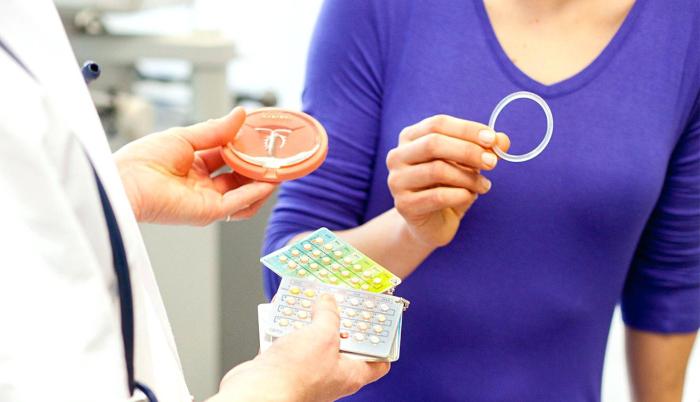
But just like other medicines, pills and other hormone-containing contraceptives have their side effects and risks:
- Hormonal birth control pills may cause vaginal dryness or breast pain
- Does not protect against STDs (sexually transmitted diseases)
- Products which contain estrogen can lead to a higher risk for blood clots or even stroke and heart attack
- After you stop taking the pill, it often takes a few months or even longer to begin ovulating again
Do you want to avoid these unnecessary risks but not a fan of condoms? Then here are some options for hormone-free birth control with their advantages and disadvantages that you can choose from:
Diaphragm
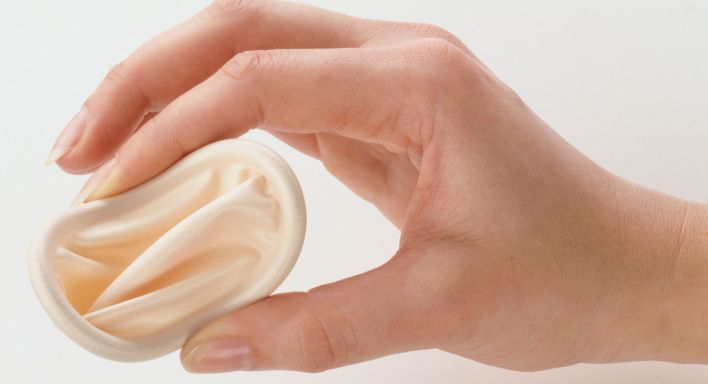
The diaphragm is a barrier method of birth control. It is basically a small and flexible cup made of silicone. The diaphragm should be placed into the vagina with spermicide before sex and left in place for at least six hours after intercourse. It covers your cervix to prevent pregnancy.
Advantages:
- usually not felt by either of the partners
- easy to carry
- safe to use during breastfeeding
- immediately effective
- reusable
- does not affect the hormonal level
Disadvantages:
- possible moving due to sexual position or penis size
- insertion may cause difficulties
- needs to be inserted before every act of vaginal intercourse
- the failure rate is around 12%
- does not protect against STDs
Birth Control Sponge
Birth control sponge is made from soft, squishy plastic that has to be inserted deep inside the vagina before sex. Each of them has a fabric loop attached to it to ease the removal. The sponge covers the cervix and contains spermicide to help prevent pregnancy.
Advantages:
- does not interrupt sex because it can be inserted up to 24 hours before intercourse
- hormone-free
- its efficiency rate can be high as 91%
- reusable
Disadvantages:
- cannot offer any protection against STD’s
- can irritate the vaginal walls
- a bit difficult to clean and carry
Spermicide
Spermicide is a type of contraceptive that should be inserted vaginally before sex in order to stop and kill sperm. It has several types such as gels, jellies, and creams, foams, Vaginal contraceptive film, and suppositories.
Advantages:
- easy to purchase and inexpensive
- has no lasting effect on hormones
- easy to store and carry
Disadvantages:
- might be irritating
- much less effective than other birth control methods
- does not protect against STDs
Cervical cap
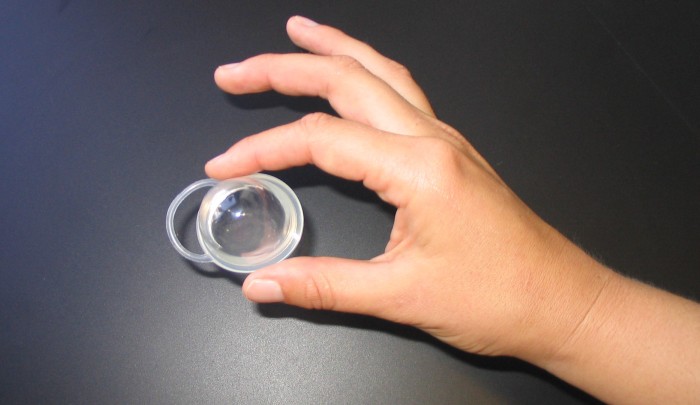
The cervical cap is a small cap made of silicone that women insert into their vagina and ideally covers the cervix.
Advantages
- relatively inexpensive
- reusable
- does not affect the hormonal level
- rarely hinders the sexual experience
- small and easy to carry
Disadvantages
- relatively high failure risk: 14% for women who have never given birth and 29% for women who have had a vaginal delivery
- requires prescription
- can be irritating
- insertion may cause difficulties
Advertisements